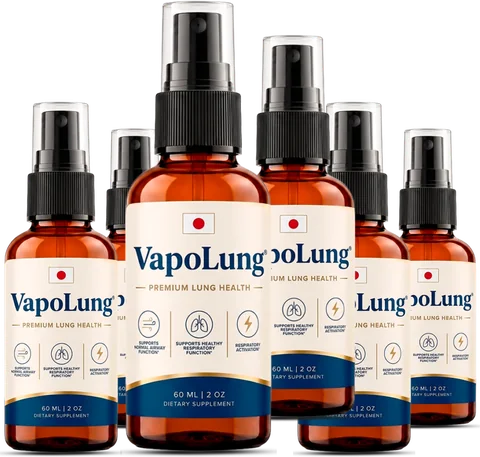
Organic lemon extract pairs two label terms worth understanding. Organic refers to how the crop was grown under a national standard, and extract means the lemon material was processed into a concentrated form. The brand names it as the third listed ingredient in VapoLung™, with its amount inside the blend not stated.
Start with the lemon itself · What organic means in the United States · What extract means on a label · How the brand lists it · Using the spray day to day
- Organic describes how a crop is grown and handled, not just how it tastes.
- Extract means plant material processed into a concentrated form.
- Lemon is Citrus limon, a citrus tree fruit.
- The brand lists it as one of three ingredients; amounts aren't given.
Start with the lemon itself
Citrus limon is a small evergreen tree in the Rutaceae family, the same family that gives us oranges and limes. Its origins are generally traced to parts of Asia, and it spread over the centuries to sunny regions around the world.
A lemon has more than one usable part. There is the juice, the aromatic outer peel known as zest, the pith beneath it and the seeds. A label that says lemon extract invites a fair follow-up question: which part, and how was it prepared?
Lemons also vary by variety. Eureka and Lisbon are two well-known types in commercial groves, and Meyer lemons are a smaller, rounder cross prized in home cooking. A label that names only lemon doesn't specify variety, and that's normal for an extract.
Lemon trees like mild winters and plenty of sun, so the fruit is grown in warm regions around the world, from Mediterranean coasts to California groves.
What organic means in the United States
In US labeling, organic is a regulated term. Organic crops are grown under federal standards that restrict most synthetic pesticides and fertilizers and prohibit genetically engineered seed. Farms and handlers are certified by accredited inspectors.
Labels also come in tiers. A product can be labeled 100 percent organic, organic, or made with organic ingredients, depending on how much of the content qualifies. The word applies to how the lemon was grown and handled, which is a different question from what the finished product contains.
Certification is documented. An operation that sells organic product keeps records, is inspected and holds a certificate, which is what makes the word on a label meaningful rather than decorative.
Ready to start your routine?
VapoLung: a once-daily oral spray, four sprays each morning, with a 60-day money-back guarantee.
Order VapoLung NowWhat extract means on a label
An extract is a concentrated form made by processing plant material so that parts of it are gathered together. The method varies by ingredient, and the label word simply tells you the lemon was not added as a plain slice, juice or powder.
Compare it to a spice rack. Fresh ginger, ground ginger and ginger extract each play a different role, and labels use those words precisely so shoppers can tell them apart.
Extracts show up all over the kitchen. Vanilla extract is a familiar example, and so is almond extract. Both are concentrated flavor ingredients used in small amounts, which gives you a handy mental picture for how the word works.
- Fresh: the whole fruit or peel
- Juice or powder: a simpler preparation
- Extract: processed into a concentrated form
How the brand lists it
The brand names Organic lemon extract alongside Mullein leaf extract and Ginger root extract, all inside a proprietary blend. The brand also states the product is non-GMO, 100% natural and made in the USA in a GMP-certified facility.
Those are statements by the brand. If you want details about certification paperwork, the support team can answer questions, and the formula page shows how the label is arranged.
Pairing the two terms, organic and extract, tells a two-part story: how the lemon was grown, and how it was prepared. Each word answers a different question, and the VapoLung label uses both.
Using the spray day to day
None of this changes the routine. The directions are 4 sprays (0.60 ml) once daily in the morning, ideally before or with the first meal, into the mouth or onto the tongue. Keep the bottle below 86°F, away from sunlight and humidity.
For broader background on reading supplement labels, the FDA dietary supplements page is a useful bookmark, and the product overview covers the rest.
A final shopping habit: when you find a term you don't recognize, look it up before you buy. The USDA FoodData Central database is one place to find standard food entries, including lemons.